Self-Guided Moose Hunt in Alaska: A Comprehensive Plan
Planning a self-guided moose hunt in Alaska demands meticulous preparation. Recent legislative changes, like House Bill 93, impact residency requirements for licenses, alongside shifts in hunting unit boundaries and bag limits for the 2025-2026 season.
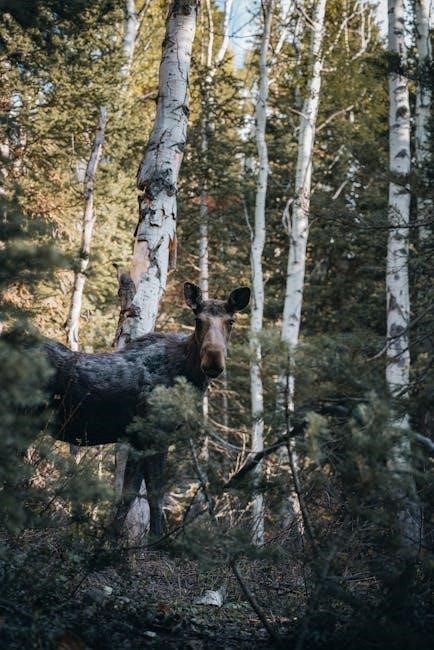
Alaskan moose hunting represents a pinnacle of North American big game experiences, attracting hunters seeking a challenging and rewarding adventure. The vast, untamed wilderness of Alaska provides a unique backdrop for pursuing these magnificent animals, but success hinges on thorough preparation and a deep understanding of the state’s specific regulations.
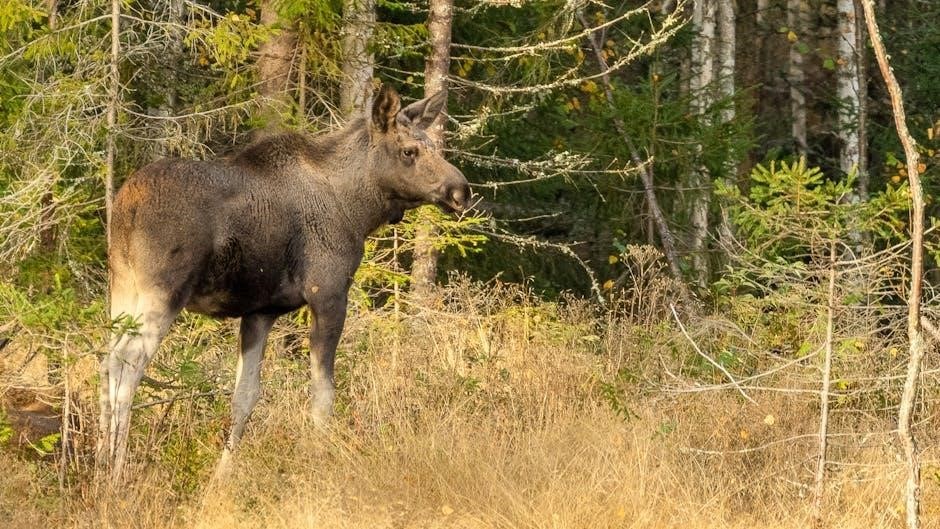
Unlike guided hunts, a self-guided moose hunt places the entire responsibility – from scouting and navigation to field dressing and meat care – squarely on the hunter’s shoulders. This demands a higher level of self-reliance, wilderness skills, and adherence to legal requirements. Recent changes, as highlighted by updates for the 2025-2026 season, necessitate staying informed about evolving bag limits, hunting unit boundaries, and residency stipulations.
The allure of a self-guided hunt lies in the freedom and independence it offers. Hunters can tailor their experience to their preferences, exploring remote areas and immersing themselves in the Alaskan wilderness. However, this freedom comes with increased complexity, requiring diligent research and a commitment to ethical and responsible hunting practices. Understanding the legal landscape, particularly concerning residency requirements currently under review with bills like HB93, is paramount for a lawful and enjoyable hunt.
Understanding Alaska’s Hunting Regulations (2025-2026 Season)
Navigating Alaska’s hunting regulations is crucial for a legal and successful self-guided moose hunt. The 2025-2026 season introduces significant changes, demanding hunters proactively review the latest guidelines published by the Alaska Department of Fish and Game. These updates encompass bag limits, hunting unit boundaries, and permissible hunting methods;
A key area of focus is House Bill 93, recently passed by the Alaska House of Representatives, which aims to tighten residency requirements for hunting and fishing licenses. Hunters must verify their eligibility based on these revised criteria to ensure compliance. Understanding these rules is vital, as non-compliance can result in substantial fines and the forfeiture of harvested game.
Beyond residency, hunters must familiarize themselves with specific regulations pertaining to their chosen hunting unit. These regulations detail season dates, allowable weapons, and any unit-specific restrictions. Thoroughly studying the hunting regulations booklet and utilizing online resources provided by the ADF&G are essential steps. Staying informed about these evolving guidelines is not merely a legal obligation, but a demonstration of responsible hunting ethics.
Residency Requirements for Hunting Licenses
Alaska’s residency requirements for hunting licenses are undergoing scrutiny and recent legislative changes. House Bill 93, passed by the Alaska House of Representatives, directly addresses concerns regarding who qualifies as a resident hunter. The bill seeks to ensure that only genuine Alaska residents benefit from resident hunting privileges.
Currently, the definition of residency is a point of contention, with some arguing that the existing laws are too lenient. HB 93 aims to clarify and tighten these requirements, potentially impacting non-residents attempting to obtain resident licenses. Hunters should be prepared to provide substantial documentation proving their bona fide residency, such as a valid Alaska driver’s license, voter registration, and evidence of physical presence in the state.
The implications of these changes are significant for those planning a self-guided moose hunt. Non-residents must confirm they possess the necessary licenses and permits, adhering strictly to the updated residency criteria. Failure to do so can lead to severe penalties, including fines, confiscation of equipment, and potential legal repercussions. Staying informed about the final details of HB 93 is paramount.
Hunting Zones and Unit Boundaries
Alaska is divided into 26 game management units (GMUs), each with specific hunting regulations and moose populations. Understanding these zones and their boundaries is crucial for a successful and legal self-guided moose hunt. Recent changes to hunting guidelines include shifts in these unit boundaries, impacting where and when you can hunt.
These boundaries aren’t static; they are periodically adjusted based on moose population surveys and management objectives. Hunters must consult the official Alaska Department of Fish and Game (ADF&G) hunting regulations booklet and maps to identify the precise boundaries of their chosen unit. Digital mapping tools and GPS devices are invaluable for navigating these areas.
Each GMU has unique bag limits, season dates, and permissible hunting methods. Some units may be closed to moose hunting altogether, or restricted to specific permit drawings. Thoroughly researching the regulations for your intended unit is non-negotiable. Ignoring boundary lines or hunting in closed areas can result in substantial fines and the loss of hunting privileges. Accurate map reading and GPS skills are essential.
Moose Distribution and Habitat in Alaska
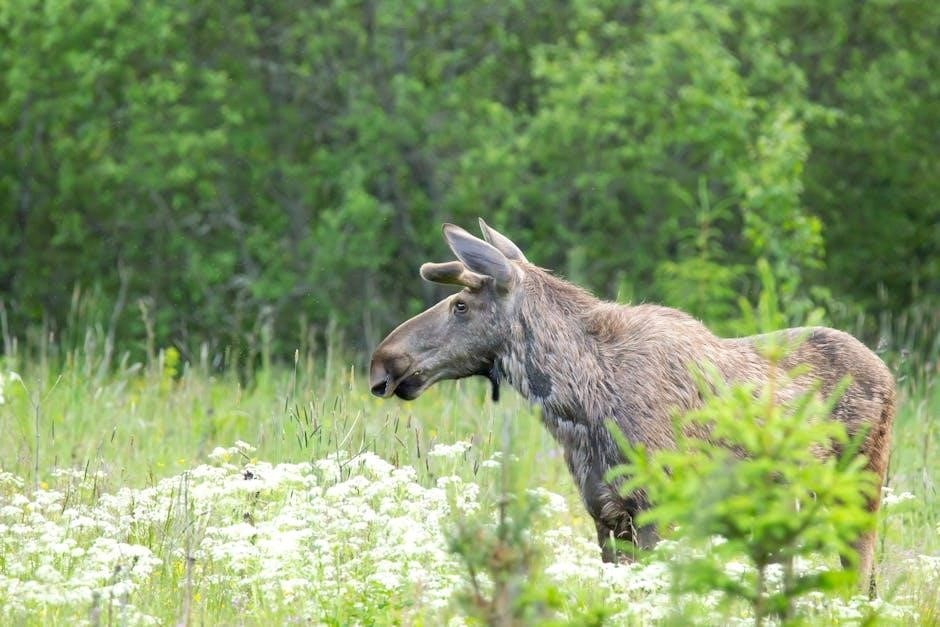
Moose thrive in Alaska’s diverse landscapes, but their distribution isn’t uniform. Understanding their preferred habitats is key to locating them during a self-guided hunt. Generally, moose favor areas with both browse (willow, birch, aspen) and aquatic vegetation. These are often found in riparian zones – along rivers and streams – and in forested areas interspersed with wetlands and meadows.
Southcentral Alaska boasts high moose densities, particularly in areas with regenerating forests following wildfires. Interior Alaska supports a substantial population, concentrated around river bottoms and spruce forests. However, moose distribution fluctuates seasonally. During the fall breeding season (rut), bulls are often found near cow moose, and their range may expand.
Winter forces moose to seek sheltered areas with abundant food sources, often concentrating them in lower elevations and along south-facing slopes. Scouting for moose sign – tracks, droppings, rubs on trees – within these preferred habitats significantly increases your chances of success. Knowledge of local topography and vegetation patterns is invaluable for predicting moose movements.
Preparing for a Self-Guided Moose Hunt
Embarking on a self-guided moose hunt in Alaska requires extensive preparation, far beyond simply obtaining a license. Given recent changes to hunting regulations, including tightened residency requirements (House Bill 93), verifying your eligibility is the first step. Thoroughly research the specific unit you intend to hunt, noting any boundary shifts or alterations to bag limits announced for the 2025-2026 season.
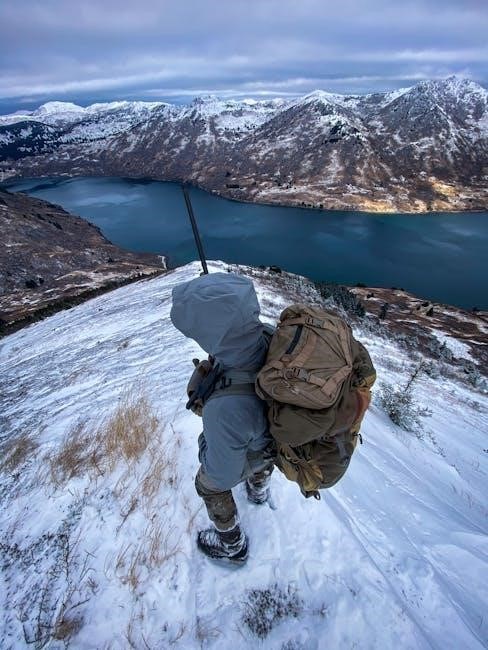
Detailed map study is crucial, identifying potential moose habitats, water sources, and escape routes. Pre-hunt scouting, if feasible, can reveal recent moose activity and preferred feeding areas. Physical conditioning is paramount; moose hunting often involves navigating challenging terrain while carrying heavy loads.
Develop a comprehensive plan encompassing transportation, communication (satellite devices are recommended), and emergency procedures. Inform someone of your itinerary and expected return date. Mastering wilderness survival skills – fire starting, shelter building, first aid – is non-negotiable. A successful, safe hunt hinges on meticulous planning and preparedness.
Essential Gear and Equipment
A successful self-guided moose hunt demands a carefully curated gear list, prioritizing functionality and reliability. A high-powered rifle, appropriate for long-range shooting in open Alaskan terrain, is fundamental. Quality binoculars and a spotting scope are essential for glassing potential moose locations. Durable, waterproof hunting clothing, layered for varying conditions, is non-negotiable.
Navigation tools – a GPS unit with pre-loaded maps, a compass, and topographic maps – are critical, given Alaska’s vast wilderness. Pack a robust first-aid kit, including supplies for treating serious injuries. A satellite communication device (satellite phone or messenger) is vital for emergencies, as cell service is unreliable.
Meat care equipment – game bags, knives, and a bone saw – are necessary for field dressing and preserving your harvest. Don’t forget a headlamp, sufficient food and water, and a durable backpack capable of carrying a substantial load. Prioritize lightweight, high-quality gear to minimize fatigue during the hunt.
Physical Conditioning for Moose Hunting
Moose hunting in Alaska is physically demanding, requiring substantial preparation. The terrain is often rugged, involving steep climbs, dense brush, and long distances covered on foot. Prioritize cardiovascular fitness through activities like hiking, running, or cycling, building endurance for extended periods of exertion.
Strength training is equally crucial. Focus on exercises that build leg strength (squats, lunges), core stability, and upper body strength for packing out meat. Simulate hunting conditions by practicing hiking with a weighted pack, gradually increasing the weight to mimic a potential moose quarter.
Flexibility and balance exercises will help prevent injuries on uneven terrain. Incorporate regular stretching and balance training into your routine. Remember, a physically prepared hunter is a safer and more successful hunter. Start your conditioning regimen well in advance of the hunting season, allowing ample time for adaptation and improvement.
Navigation and Wilderness Survival Skills
A self-guided moose hunt in Alaska necessitates expert navigation and survival skills. Relying solely on technology is risky; carry topographic maps, a compass, and know how to use them proficiently. GPS devices are valuable, but batteries can fail, and signals can be lost in remote areas.
Master essential survival techniques. Build a fire for warmth and signaling, construct a shelter for protection from the elements, and purify water sources; Carry a comprehensive survival kit including a knife, first-aid supplies, signaling devices (whistle, mirror), and extra food.
Understand hypothermia and how to prevent and treat it. Learn basic wilderness first aid, including wound care and splinting fractures. Familiarize yourself with local wildlife and potential hazards, such as bears. Practice Leave No Trace principles to minimize your impact on the environment and ensure responsible hunting.
Scouting and Identifying Moose Sign
Successful self-guided moose hunting hinges on effective scouting and recognizing moose activity. Prior to the hunt, dedicate time to thoroughly scout your chosen hunting unit. Look for areas with abundant moose browse – willow, birch, and aspen are favorites. Focus on transition zones between forests and meadows, and near water sources.
Learn to identify key moose sign. Tracks are a primary indicator; moose tracks are large and cloven-hoofed. Examine droppings – fresh droppings suggest recent activity. Rubs, where bulls scrape velvet from antlers on trees, indicate prime territory. Wallows, depressions in the ground where moose rest, are also valuable clues.
Pay attention to trails. Moose often follow established trails, especially along ridges and through forested areas. Use binoculars to scan open areas for moose, and listen for their vocalizations. Consistent scouting dramatically increases your chances of locating moose and planning a strategic hunt.
Hunting Techniques for Moose
Employing effective hunting techniques is crucial for a successful self-guided moose hunt in Alaska. Still hunting, slowly and quietly moving through the moose’s habitat, is a popular method; Focus on downwind travel and utilize natural cover to remain concealed. Calling can also be effective, particularly during the rutting season (September-October).
Moose respond to various calls, including grunts, bleats, and cow calls. Practice using a call before your hunt to become proficient. Spot-and-stalk involves locating a moose from a distance and carefully approaching it. This requires excellent glassing skills and a strategic approach to minimize detection.
Ambush hunting, setting up near known moose travel routes or feeding areas, can also yield results. Be patient and prepared for a long wait. Remember to always prioritize safety and adhere to Alaska’s legal hunting methods, ensuring a responsible and ethical hunt.
Legal Hunting Methods in Alaska
Alaska’s hunting regulations strictly define legal methods for taking moose. Rifles, muzzleloaders, and bows are permitted, but specific caliber and draw weight requirements exist – consult the Alaska Department of Fish and Game (ADF&G) hunting regulations booklet for details. The use of artificial lights for hunting is prohibited.
Shot placement is critical; ethical hunters aim for a quick, humane kill. Broadside or quartering-away shots to the heart-lung area are recommended. Baiting moose is generally illegal, with limited exceptions in specific units. Trapping moose is not permitted.
Always verify the legality of your chosen method for the specific hunting unit you are in, as regulations can vary. Using a drone to locate or pursue game is illegal. Familiarize yourself with ADF&G’s guidelines on responsible hunting practices and ensure full compliance to avoid penalties and contribute to sustainable wildlife management.
Field Dressing and Meat Care
Prompt field dressing is crucial for preserving moose meat quality. Begin immediately after the harvest, prioritizing hygiene to prevent spoilage. Remove the entrails carefully, avoiding puncturing the stomach or intestines. Thoroughly cool the carcass as quickly as possible, utilizing game bags to protect the meat from insects and debris.
Effective cooling is paramount, especially during warmer temperatures. Quartering the moose facilitates faster cooling and easier transport. Avoid leaving meat exposed to direct sunlight. Consider using a meat thermometer to ensure the internal temperature remains below 40°F (4°C).
Proper meat care extends shelf life and enhances flavor. Transport the meat in a clean, cool environment, ideally with ice or refrigeration. Be aware of ADF&G regulations regarding meat salvage and donation. Careful field dressing and meat care are essential for a successful and ethical hunt, maximizing the yield from your harvest.
Transportation of Moose Meat
Transporting moose meat in Alaska requires careful planning and adherence to regulations. Given the often remote hunting locations, consider utilizing ATVs, snowmobiles, or even bush planes for initial transport to a staging area. Ensure all meat is properly packaged in game bags and secured to prevent contamination or loss during transit.
Maintaining a consistently cold temperature is critical. Utilize coolers with ample ice, or consider freezing meat if facilities are available. Be mindful of travel distances and potential delays, adjusting cooling methods accordingly. Alaska’s terrain can be challenging, so secure loads to prevent shifting during transport.
Understand ADF&G guidelines regarding meat transport. Documentation linking the meat to your hunting license and harvest report is essential. Be prepared for potential inspections by wildlife officers. Proper transportation safeguards the quality of your harvest and ensures compliance with Alaskan hunting laws.
Reporting Your Harvest
Accurate and timely harvest reporting is a mandatory requirement for all Alaskan moose hunters. The Alaska Department of Fish and Game (ADF&G) relies on this data for wildlife management and future hunting regulation adjustments. Reporting typically occurs online through the ADF&G website or via phone, with specific procedures varying by hunting unit.
You’ll need your hunting license number, harvest location details (including GPS coordinates if possible), and information about the moose – sex, age class (if discernible), and antler configuration. Retain a copy of your harvest report for your records. Failure to report a harvest can result in fines and potential loss of hunting privileges.
Recent changes to hunting guidelines emphasize the importance of accurate data collection. The ADF&G actively monitors harvest numbers to assess population health and adjust bag limits accordingly. Prompt reporting contributes to sustainable moose management in Alaska, ensuring future hunting opportunities.
Changes to Bag Limits and Hunting Guidelines
The 2025-2026 Alaskan moose hunting season introduces significant alterations to bag limits and overall hunting guidelines. These changes, implemented by the Alaska Department of Fish and Game (ADF&G), are based on ongoing population surveys and management objectives. Hunters must familiarize themselves with these updates before embarking on their self-guided hunt.
Specific adjustments include shifts in hunting unit boundaries, impacting where and when hunting is permitted. Some units may experience reduced bag limits due to declining moose populations, while others might see increases based on healthy herd numbers; The ADF&G website provides detailed information on unit-specific regulations.
Furthermore, changes address legal hunting methods and reporting requirements. Hunters should review permissible firearms, archery equipment, and transportation rules. Accurate harvest reporting is now even more critical, contributing to data-driven management decisions. Staying informed about these changes is crucial for a legal and successful hunt.
Ethical Considerations and Responsible Hunting
A self-guided moose hunt in Alaska demands a strong commitment to ethical hunting practices and responsible wildlife management. Beyond legal compliance, hunters should prioritize fair chase, ensuring the animal has a reasonable opportunity to escape. Respect for the animal, the land, and fellow hunters is paramount.
Responsible hunting includes proficient marksmanship and a commitment to minimizing suffering. Hunters must be confident in their ability to make a clean, ethical kill. Thorough field dressing and meat care are also essential, demonstrating respect for the harvested animal and preventing waste.
Furthermore, hunters should be mindful of their impact on the Alaskan wilderness. Practice Leave No Trace principles, packing out all trash and minimizing disturbance to the environment. Reporting observations of wildlife health or unusual behavior to ADF&G contributes to ongoing conservation efforts. Ethical conduct ensures the sustainability of this incredible hunting opportunity.