
Skateboard Guide: Finding the Right Size
Navigating skateboard sizing involves decks, trucks, wheels, bearings, shoes, and protective gear․ Accurate measurements ensure optimal performance and safety for all riders, from beginners to pros․
Understanding Skateboard Deck Sizes
Skateboard deck size is a crucial factor influencing control and performance․ Decks typically range from 7․5 to 8․5 inches wide, though variations exist․ Smaller decks (7․5″ ─ 7․75″) are favored by technical street skaters for their agility and quick flips․ Wider decks (8․0″ ─ 8․5″+) provide more stability, making them suitable for park skating, transition riding, and cruising․
Rider age and skill level also play a role․ Younger or smaller skaters often start with narrower decks for easier maneuverability․ As skills progress and riders grow, transitioning to wider decks can enhance stability and landing success․ Deck length impacts stability too; longer decks generally offer more foot space and control, particularly at higher speeds․
Skateboard Size Calculator: A Quick Overview
Utilizing a skateboard size calculator simplifies the selection process, especially for beginners․ These tools typically ask for rider height, weight, age, and preferred skating style (street, park, cruising)․ Based on this input, the calculator recommends appropriate deck width, truck size, and wheel diameter․

While convenient, calculators offer estimations․ They serve as a starting point, but individual preferences matter․ Consider your foot size and comfort level․ Online resources like Warehouse Skateboards provide deck & truck sizing tools․ Remember to factor in your skating experience; beginners might prefer slightly wider decks for added stability during learning․

Matching Skateboard Trucks to Deck Size
Proper truck sizing is crucial for stability and control․ Trucks should closely match your deck width; misalignment impacts performance․ A general rule is to choose trucks within 0․25 inches of your deck width․ Wider decks require wider trucks, and vice versa․
Consider hanger size alongside width․ The hanger is the part of the truck that holds the wheels․ Truck width and deck width correlation is key – a mismatch affects turning radius and responsiveness․ Hanger size and deck size considerations are vital for optimal control․ Incorrect sizing can lead to wheel bite or instability, hindering your progress․
Truck Width and Deck Width Correlation
A direct correlation exists between truck width and deck width, influencing skateboard handling․ Ideally, your truck axle width should be as close as possible to your deck width․ A slight variance (up to 0․25 inches) is acceptable, but significant differences impact stability and turning․
Wider decks necessitate wider trucks for enhanced stability, particularly at higher speeds․ Narrower decks pair well with narrower trucks, offering quicker turning and increased maneuverability․ Mismatched sizes can cause wheel bite – where the wheel rubs against the deck – or a feeling of instability, hindering performance and potentially leading to falls․
Hanger Size and Deck Size Considerations
Skateboard truck hanger size, a crucial aspect often overlooked, directly impacts responsiveness and stability․ The hanger is the part of the truck that extends beyond the wheels․ Larger hangers generally provide more stability, especially at higher speeds, making them suitable for wider decks and aggressive skating styles․
Smaller hangers offer quicker turning and increased maneuverability, ideal for technical street skating and narrower decks․ When selecting a hanger size, consider your deck width and skating preference․ Ensure the hanger doesn’t cause wheel bite – where the wheel rubs against the deck during turns – by adjusting bushings or risers if needed․
Skateboard Wheel Size Guide
Choosing the right skateboard wheel size significantly impacts your riding experience․ Wheel diameter, measured in millimeters (mm), influences speed, acceleration, and roll-over capability․ Smaller wheels (50-53mm) are popular for technical street skating, offering quick acceleration and lighter weight, making flip tricks easier․
Larger wheels (54-60mm+) excel in cruising and park skating, providing a smoother ride over rough surfaces and maintaining speed․ Wheel diameter and riding style are closely linked; consider the terrain you’ll be skating most often․ Softer wheels offer more grip, while harder wheels prioritize speed and sliding․
Wheel Diameter and Riding Style
The correlation between wheel diameter and riding style is crucial for optimal performance․ Smaller wheels, typically ranging from 50mm to 53mm, are favored by street skaters due to their responsiveness and lighter weight, facilitating quicker tricks and maneuvers on obstacles․ They accelerate rapidly but may struggle with rough terrain․
Conversely, larger wheels (54mm and above) are ideal for park and cruising․ These wheels maintain momentum more effectively, smoothing out cracks and imperfections in the skatepark or sidewalk․ Wheel diameter directly impacts ride comfort and speed; larger wheels roll faster and handle uneven surfaces better, while smaller wheels prioritize agility․
Skateboard Bearing Sizes: Standard Dimensions
Standard skateboard bearings universally share specific dimensions, ensuring compatibility across various setups․ The most common size features an inner diameter of 8mm, which fits the axles of standard skateboard wheels․ The outer diameter typically measures 22mm, allowing for a secure fit within the wheel’s bearing seat․

Bearing thickness, or width, is consistently 7mm across most brands and models․ Warehouse Skateboards confirms all their bearings adhere to these dimensions․ These standardized sizes simplify replacement and upgrades, eliminating compatibility concerns․ While variations exist for specialized applications, the 8x22x7mm configuration remains the industry norm for reliable performance․
Inner Diameter, Outer Diameter, and Thickness
Understanding these three measurements is crucial when discussing skateboard bearings․ The inner diameter of 8mm is paramount, as it dictates whether the bearing will fit onto the skateboard axle; A precise fit is essential for smooth rotation and preventing damage․
The outer diameter, standardized at 22mm, ensures the bearing properly seats within the wheel․ Finally, thickness, consistently 7mm, impacts the bearing’s load capacity and overall durability․ These dimensions work in harmony to deliver optimal performance․ Variations from these standards are rare and typically reserved for specialized applications, so sticking to 8x22x7mm guarantees compatibility․
Skateboard Shoe Size Chart
Finding the correct skateboard shoe size is vital for board feel and control․ Sizes vary between brands, so consulting a chart is essential․ Typically, charts provide conversions between US, UK, and EU sizing systems, ensuring a proper fit regardless of location․
It’s recommended to measure your foot length and compare it to the brand’s specific chart․ Many skaters prefer a slightly snug fit for enhanced responsiveness․ Remember that skate shoes often run smaller than standard athletic shoes․ Always prioritize comfort and allow enough room for your toes, preventing blisters and maximizing performance during tricks and long sessions․
US, UK, and EU Shoe Size Conversions
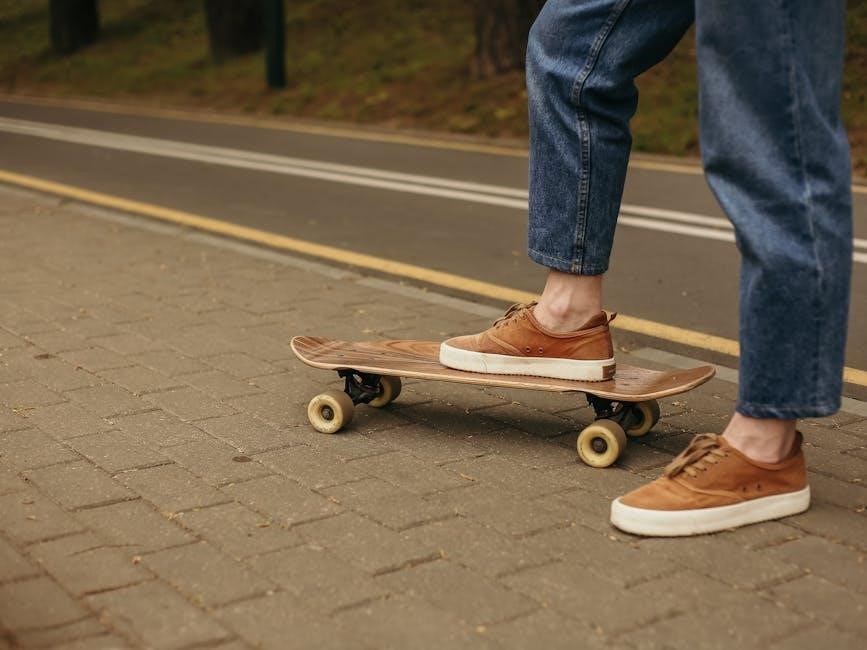
Accurate shoe size conversion is crucial when purchasing skateboard shoes internationally․ Here’s a general guideline, though brand variations exist, so always check the specific brand’s chart․
US sizes are commonly used, but UK sizes differ – a US men’s 9 is roughly a UK 8․5․ EU sizes are also distinct; a US men’s 9 typically equates to an EU 42․ Understanding these differences prevents incorrect purchases․ For women, subtract 1․5 to 2 sizes from the US men’s size to find the equivalent women’s size․ Precise conversions depend on the manufacturer, so referencing detailed charts is always recommended for a perfect fit․
Protective Gear Sizing
Properly fitted protective gear is paramount for skateboard safety․ Ill-fitting gear compromises protection and comfort, hindering performance․ Knee and elbow pads require accurate circumference measurements for optimal coverage․
Knee pad sizing typically uses circumference measurements: Small (35-40cm), Medium (40-45cm), and Large (45-50cm)․ Elbow pad sizing follows a similar pattern: Small (17-22cm), Medium (23-28cm), and Large (29-34cm)․ Always consult the manufacturer’s specific chart, as sizes can vary․ Helmets require head circumference measurements for a secure fit, preventing injury during falls․ Prioritize a snug, but comfortable, fit for maximum protection;
Knee Pad Size Chart
Selecting the correct knee pad size is crucial for effective impact absorption and comfortable skateboarding․ Measurements are typically based on knee circumference, ensuring a secure and protective fit during tricks and falls․
Here’s a general guideline: Small sizes generally fit knee circumferences of 35-40 centimeters․ Medium pads accommodate knees measuring 40-45 centimeters in circumference․ Larger knee pads, designed for broader builds, typically fit circumferences between 45-50 centimeters․ However, always refer to the specific brand’s size chart, as variations exist․ A snug, but not overly tight, fit is ideal for unrestricted movement and maximum protection․
Elbow Pad Size Chart
Properly sized elbow pads are essential for safeguarding your elbows during skateboarding, minimizing injury risk from falls and impacts․ Sizing typically relies on measuring the circumference above the elbow, ensuring a secure yet comfortable fit that doesn’t restrict movement․
Generally, Small elbow pads fit circumferences of 17-22 centimeters․ Medium sizes are designed for 23-28 centimeter circumferences, while Large pads accommodate elbows measuring 29-34 centimeters․ It’s vital to consult the specific manufacturer’s chart, as sizing can differ between brands․ The pads should fit snugly without cutting off circulation, allowing for a full range of motion while providing reliable protection during skating sessions․
Skateboard Helmet Size Guide
A correctly fitted skateboard helmet is paramount for protecting your head during falls, significantly reducing the risk of serious injury․ Determining the right size involves accurately measuring your head circumference, the distance around the largest part of your head, just above the eyebrows․
Use a flexible measuring tape for precision․ Helmets are typically sized in inches or centimeters․ Small helmets generally fit head circumferences of 51-55 cm (20-21․5 inches)․ Medium sizes accommodate 55-59 cm (21․5-23 inches), and Large helmets fit 59-63 cm (23-25 inches)․ Always check the manufacturer’s specific size chart, as variations exist․ Ensure a snug, level fit without being too tight, and verify the helmet meets safety standards․
Measuring Head Circumference

Accurate head circumference measurement is crucial for selecting a properly fitting skateboard helmet, ensuring optimal protection․ Begin by using a flexible measuring tape․ Position the tape horizontally around your head, approximately one inch (2․5 cm) above your eyebrows and ears – this is the widest part of your head․
Ensure the tape is level all the way around, and pull it snug but not overly tight․ Read the measurement in centimeters or inches․ If your measurement falls between sizes, it’s generally recommended to choose the larger size for a more comfortable and secure fit․ Repeat the measurement a couple of times to confirm accuracy before referencing a helmet size chart․
Hand Circumference for Skate Gloves
Determining the correct skate glove size relies on accurately measuring your hand circumference․ Use a flexible measuring tape and wrap it around the widest part of your hand, including your knuckles, but excluding your thumb․ Ensure the tape is snug but not overly tight, maintaining a comfortable fit․

Record the measurement in inches or centimeters․ Refer to the glove manufacturer’s size chart, as sizing can vary between brands․ A hand circumference of 4․4 ‒ 5 inches typically corresponds to a size Small, while 10 ─ 11․5 inches suggests a size Large․ Proper glove fit is essential for dexterity and protection during skateboarding․
Glove Size Based on Hand Measurements
Translating hand circumference into a specific glove size requires consulting a manufacturer’s size guide․ Generally, a hand measuring 4․4 to 5 inches will likely fit a Small glove, providing a snug yet flexible feel․ Medium gloves typically accommodate hand sizes between 5 and 6 inches, offering a balanced fit․

Larger hands, measuring 10 to 11․5 inches, usually require a Large glove․ Always prioritize comfort and dexterity; gloves should allow for a full range of motion without feeling restrictive․ If your measurement falls between sizes, consider opting for the larger size for a more comfortable experience, especially during extended skate sessions․

Skateboard Height Recommendations for Beginners
Skateboard height, often overlooked, significantly impacts a beginner’s learning curve and overall enjoyment․ Lower decks are generally recommended for novices, as they provide increased stability and easier foot placement․ A deck height between 30 and 32 inches is a good starting point for most beginners․
This height allows for better control and reduces the risk of falls․ As skill progresses, riders may experiment with higher decks for more leverage and responsiveness․ However, prioritizing stability during the initial learning phase is crucial․ Consider a complete skateboard designed for beginners, as these often feature appropriate deck heights and components․
Ripndip Clothing Size Chart
When purchasing Ripndip apparel, understanding their sizing is essential for a comfortable fit․ Ripndip primarily utilizes US (American) sizing standards for all clothing items, including t-shirts, hoodies, and pants․ It’s crucial to consult their official size chart before making a purchase, as sizing can sometimes vary between different styles․
To determine your correct size, accurately measure your chest, waist, and inseam․ Compare these measurements to the Ripndip size chart available on their website or through authorized retailers․ Remember that Ripndip often features a relaxed fit, so consider sizing down if you prefer a more tailored look․
European Shoe Size Chart (Foot Length in mm)
Converting foot length in millimeters to European (EU) shoe sizes is vital for accurate skateboard shoe selection․ This chart provides a direct correlation between your foot’s measurement and the corresponding EU size, ensuring a proper fit for optimal board feel and control․
Here’s a sample conversion: 220mm equates to EU size 35, 225mm to 35;5, 228mm to 36, 232mm to 36․5, 236mm to 37, 240mm to 37․5, 245mm to 38, 249mm to 39, 253mm to 40, and 258mm to 40․5․ Always measure both feet, as sizes can differ, and choose the size that accommodates the larger foot․ Accurate measurement guarantees comfort and performance․
Converting Millimeters to European Sizes
Precisely converting foot length from millimeters (mm) to European (EU) sizes is crucial for selecting correctly fitting skateboard shoes․ This ensures optimal board control, comfort, and prevents injuries caused by ill-fitting footwear․
Here’s a detailed conversion guide: A foot measuring 220mm corresponds to EU size 35, while 225mm equates to 35․5․ Progressing further, 228mm is size 36, 232mm is 36․5, 236mm is 37, and 240mm translates to 37․5․ For larger feet, 245mm is size 38, 249mm is 39, 253mm is 40, and 258mm is 40․5․ Always prioritize accurate measurement for the best skateboarding experience․
Powerslide Pro Skate Pad Size Chart
Selecting the appropriate Powerslide Pro Skate Pads is vital for impact protection during skateboarding․ Proper sizing ensures the pads stay securely in place, offering maximum safety and minimizing the risk of injuries during falls or tricks․
Here’s a guide based on limb circumference: For a Small size, the knee circumference should be 35-40cm and the elbow circumference 17-22cm․ Medium pads fit knees measuring 40-45cm and elbows 23-28cm․ Large pads are designed for 45-50cm knee and 29-34cm elbow circumferences․ Accurate measurement is key to optimal protection․
Pad Sizing Based on Limb Circumference
Accurate limb circumference measurements are crucial for selecting correctly sized skateboard pads, ensuring optimal protection and comfort․ Ill-fitting pads can shift during activity, reducing their effectiveness and potentially causing discomfort or injury․
Here’s a breakdown for sizing: Small pads typically fit knee circumferences of 35-40cm and elbow circumferences of 17-22cm․ Medium pads accommodate knees measuring 40-45cm and elbows 23-28cm․ For larger limbs, Large pads are suitable for knee circumferences of 45-50cm and elbows 29-34cm․ Always measure while standing and wearing typical skateboarding attire for best results․
Skateboard Deck Size by Rider Age
Selecting the appropriate skateboard deck size based on rider age is vital for control, comfort, and progression․ Younger riders require smaller decks for easier maneuverability, while adults generally benefit from wider boards for stability․
Generally, kids aged 5-8 years should start with decks around 7․5” to 7․75”․ Teenagers (9-12 years) typically transition to 7․75” to 8․0” decks․ Adults often prefer decks ranging from 8․0” to 8․5” or wider, depending on their skating style and shoe size․ These are guidelines; individual preferences and height/weight should also be considered when choosing a deck․
Sizes for Kids, Teens, and Adults
Determining skateboard deck sizes based on age groups provides a solid starting point for beginners․ However, individual factors like height, weight, and skating style significantly influence the ideal fit․
For kids (5-8 years), a deck width of 7․5” ‒ 7․75” is recommended, offering better control and easier flipping․ Teenagers (9-12 years) usually find 7․75” ‒ 8․0” decks suitable as they develop more advanced skills․ Adults generally gravitate towards 8․0” ─ 8․5” or wider, providing increased stability for larger frames and varied terrain․ Remember, these are averages; personal preference is key!
Skateboard Deck Size by Rider Height and Weight
Rider height and weight are crucial considerations when selecting a skateboard deck size, impacting stability and control․ A heavier rider requires a wider deck for enhanced support and responsiveness, preventing wobble and improving landing success․
Generally, riders under 5’3” and weighing less than 130lbs often prefer decks between 7․5” and 7․75”․ Those between 5’3” and 5’8” (130-180lbs) typically find 7․75” ‒ 8․25” decks ideal․ Riders over 5’8” and exceeding 180lbs should consider 8․25” or wider decks for optimal performance․ Weight considerations for deck strength are also vital; heavier riders should prioritize durable, multi-ply decks․
Weight Considerations for Deck Strength
Deck strength is directly correlated with rider weight; heavier skaters necessitate more robust constructions․ Standard skateboard decks are designed for riders up to a certain weight limit, typically around 200-220lbs․ Exceeding this limit can lead to premature cracking or even complete deck failure, posing a safety risk․
For riders exceeding 220lbs, seeking decks specifically engineered for heavier use is crucial․ These decks often feature reinforced construction, utilizing extra layers of maple or carbon fiber to enhance durability․ Prioritizing quality materials and construction ensures the deck can withstand the increased stress and provide a safe, reliable skating experience․
Skateboard Deck Concave and its Impact on Size Choice
Skateboard deck concave, the curvature across the width of the board, significantly influences control and responsiveness․ While not directly impacting size selection, concave preference often correlates with riding style and can affect how a particular size feels․
Mellow concave is generally favored by beginners and cruisers, offering stability and forgiveness․ Medium concave provides a balance suitable for various styles, while steep concave caters to technical street skating, enhancing flip tricks and board feel․ Consider your skill level and preferred skating discipline when choosing a deck; a steeper concave might feel unstable for a novice․
Skateboard Wheel Durometer and Size Relationship
Wheel durometer (hardness) and size are interconnected factors influencing ride characteristics․ Softer wheels (lower durometer, typically 78A-87A) offer a smoother ride, better grip, and are ideal for cruising rough surfaces․ Larger diameter wheels (54mm+) maintain speed more effectively over obstacles․
Harder wheels (99A-101A+) are preferred for street and park skating, providing responsiveness and slide capabilities․ Smaller diameter wheels (50mm-53mm) offer quicker acceleration and are easier to control for technical tricks․ Choosing the right combination depends on terrain and style; a larger, softer wheel suits cruising, while a smaller, harder wheel excels in skateparks․
Choosing the Right Skateboard for Different Terrain
Selecting a skateboard tailored to the terrain significantly enhances performance and enjoyment․ For street skating, a deck around 7․75″ to 8․25″ with medium concave and harder wheels (99A+) is ideal for tricks and navigating obstacles․ Park skating benefits from similar deck sizes but may favor slightly larger wheels (52mm-56mm) for speed and coping clearance․
Cruising demands a wider deck (8․25″+) for stability, softer wheels (78A-87A) for a smoother ride, and potentially larger wheel diameters (56mm+) to roll over cracks easily․ Consider a longboard or cruiser board for extended distances․ Terrain dictates the optimal setup; adapting components ensures a responsive and comfortable skating experience․

Street, Park, and Cruising Considerations
Street skating prioritizes maneuverability; decks between 7․75″ and 8․25″ with medium concave offer responsiveness for tricks․ Harder wheels (99A+) provide grip for technical skating․ Park skating demands a balance – similar deck sizes, but 52mm-56mm wheels enhance speed and coping handling․
Cruising emphasizes comfort and stability․ Wider decks (8․25″+) and softer wheels (78A-87A) absorb vibrations and roll smoothly․ Larger wheel diameters (56mm+) tackle rough surfaces․ Choosing the right setup based on your primary skating style is crucial for progression and enjoyment․ Consider your local terrain and preferred tricks when making your selection․
Understanding Skateboard Components and Their Sizes
Skateboard decks range from 7․5″ to 8․5″+, influencing stability and trick execution․ Trucks must match deck width; a slight overhang is acceptable․ Standard bearings are 8mm inner diameter, 22mm outer diameter, and 7mm thickness․ Wheels vary from 50mm to 60mm+, impacting speed and rollability․
Concave affects board feel and control․ Hardware (bolts & nuts) is typically 7/8″ or 1″․ Proper sizing ensures optimal performance and safety․ Protective gear, like helmets and pads, requires accurate head and limb circumference measurements for a secure fit․ Understanding these components is vital for building a personalized setup․
Where to Find Reliable Skateboard Size Charts Online
Warehouse Skateboards provides comprehensive sizing information for decks, trucks, and bearings, ensuring standardized dimensions․ OddDays offers a detailed Ripndip clothing size chart, crucial for apparel fit․ For protective gear, searching for brand-specific charts – like Powerslide for skate pads – yields accurate limb circumference guides․
General skateboarding resources and retailer websites often host deck size guides based on age, height, and weight․ Always cross-reference multiple sources for consistency․ Remember US sizing is common; conversion charts are readily available online for UK and EU measurements․ Prioritize official brand websites for the most reliable data․